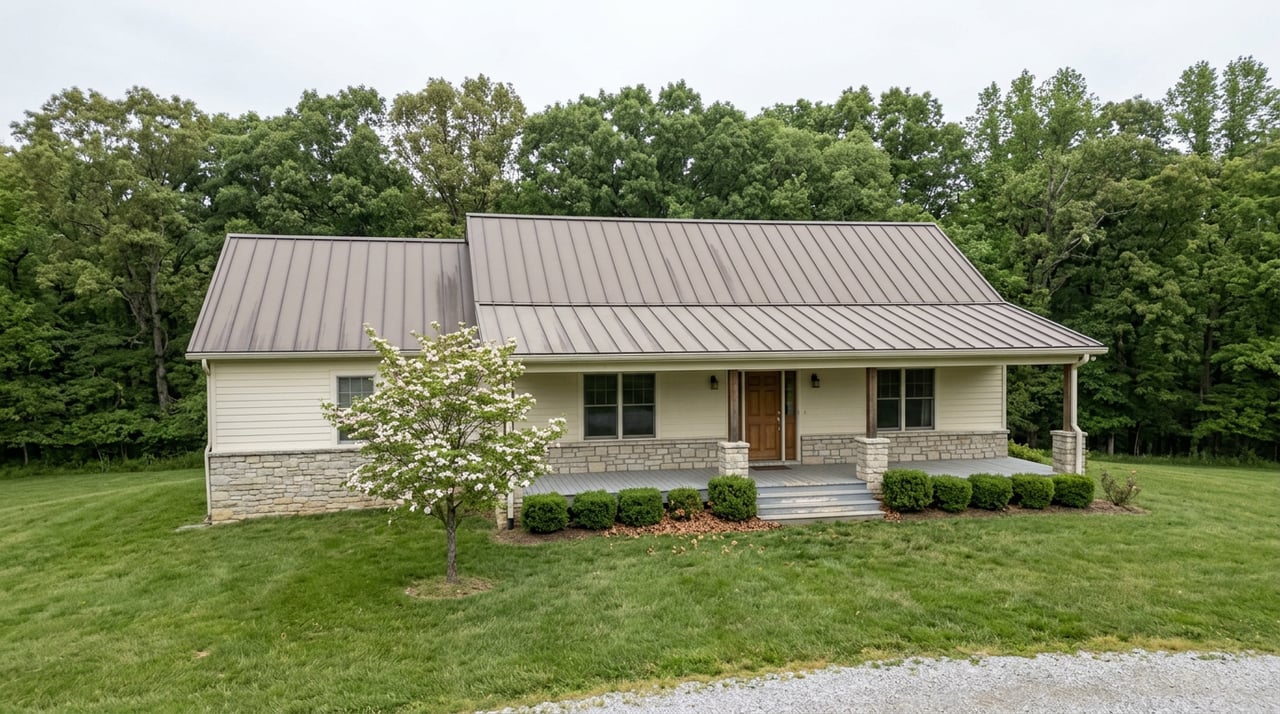
The One Piece of Paper That Decides How a Bath County Manufactured Home Gets Financed
September 3, 2026
September 3, 2026
Picture two homes in Bath County, both listed around $195,000. One is a stick-built ranch on a quarter acre outside Owingsville. The other is a manufactured home on three acres, same price range, recently updated with a new roof, new siding, and fresh flooring inside. A buyer walks into both deals assuming the mortgage process will look roughly the same.
It usually doesn't. And the reason has nothing to do with the home's age, condition, or even its price. It comes down to a single document sitting, or not sitting, in the Bath County Clerk's miscellaneous record book.
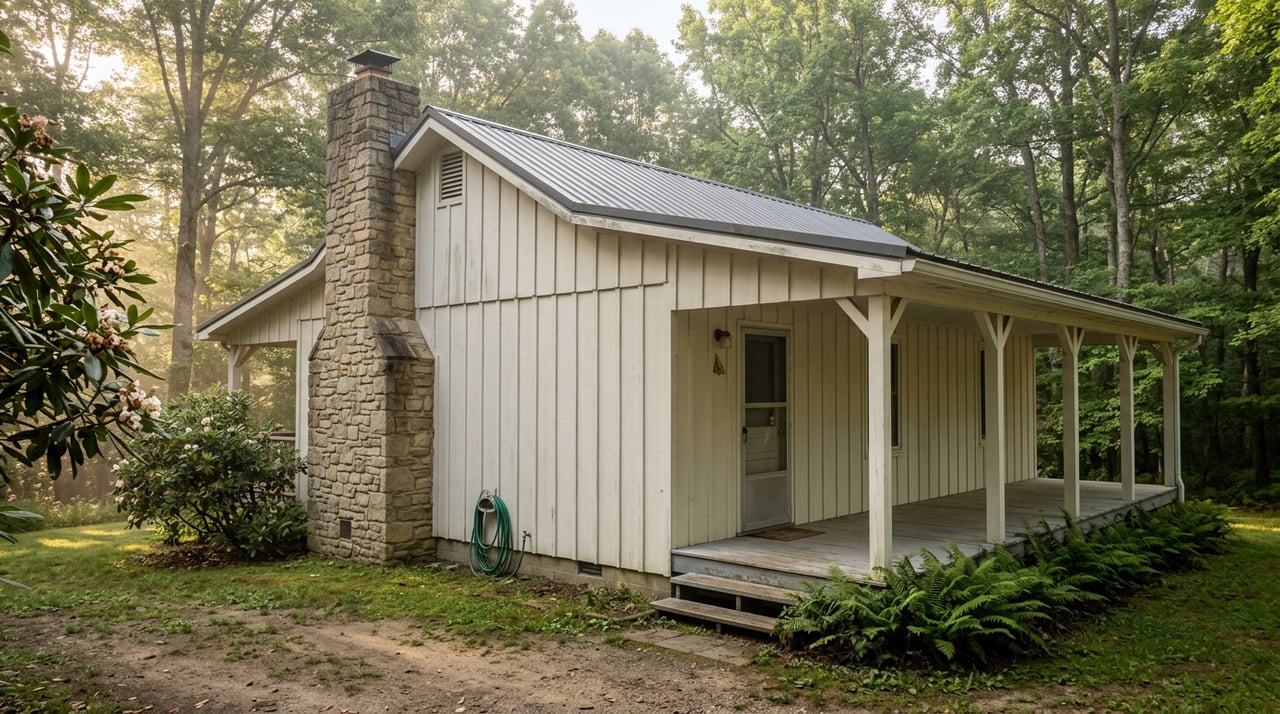
A manufactured home in Kentucky starts life titled the way a car or a camper is titled. That title follows the home, not the land underneath it. As long as that title exists and hasn't been surrendered, the home is legally personal property, no matter how permanent it looks sitting on a foundation with a covered porch and a propane fireplace.
Personal property doesn't qualify for the loan products most buyers assume they'll get. A conventional mortgage, an FHA loan, or a USDA Rural Development loan all lien against real estate: land and whatever is permanently affixed to it. A home still carrying its vehicle-style title isn't real estate in the eyes of that lien, so it gets shopped to a much smaller pool of chattel lenders instead of the standard mortgage market. Fewer lenders competing for the loan generally means less favorable terms for the buyer.
This summer, a listing came up on the Bath County market that captures the stakes well: a 1,450-square-foot manufactured home on 3.375 acres, built in 1989 and extensively updated in 2021 with a new metal roof, new siding, energy-efficient windows, and updated plumbing, priced at $195,900. Nothing in a listing like that tells a buyer whether the title was ever converted. That question usually doesn't surface until a lender asks for it, sometimes well into underwriting.
Kentucky gives manufactured home owners a way to fix this, but it has to be done on purpose. Under KRS 186A.297, an owner can file an affidavit of conversion to real estate with the county clerk once the home is permanently affixed to the land. The affidavit has to be accompanied by a surrender of the Kentucky certificate of title, and the clerk records it in the miscellaneous book rather than the regular deed books.
Filing the affidavit and surrendering the title is treated under Kentucky law as converting the manufactured home into an improvement to the real estate it sits on, the same legal category a stick-built house falls into.
That's the plain reason the filing matters so much. A mortgage lien attaches to real estate. Once the home is legally an improvement to that real estate rather than a titled vehicle, it becomes eligible for the same financing a conventional home would get.
The Bath County Clerk's office lays out a specific process for this filing, and it's worth knowing before a closing date is on the calendar, not during the week of closing:
None of these steps are difficult on their own. What trips people up is that nobody files them automatically. A home can sit permanently affixed to a foundation for twenty years and never have this affidavit filed, simply because the previous owner didn't know it existed or didn't think it mattered once they moved in.
The financing consequence gets most of the attention, but the same filing changes how the home is taxed. Once the clerk sends that copy to the Property Valuation Administrator, the manufactured home moves onto the real property tax rolls instead of being assessed as personal property. For a seller who has been paying personal property tax on a home for years without realizing it was never formally converted, that's a detail worth sorting out before a buyer's attorney or title company finds it first.
The reverse move exists too. An owner who wants to detach a converted manufactured home from the land, maybe to sell the land separately or move the home to a new lot, has to file an affidavit of severance with the county clerk. Skip that step and remove the home anyway, and Kentucky law makes the owner liable for actual damages or five hundred dollars, whichever is greater, payable to a lienholder or the clerk's office. It's not a step anyone plans to think about at the start of a purchase, but it matters for anyone eyeing a manufactured home with the idea of eventually relocating it.
If a manufactured home shows up in a Bath County search, whether it's near Owingsville, out toward Sharpsburg, or closer to Salt Lick, the first question worth asking isn't the year it was built. It's whether the affidavit of conversion was ever filed and recorded with the county clerk.
This matters even more if the plan is to use a USDA Rural Development loan, which many buyers in Bath County lean on because Bath is among the Kentucky counties that qualify for the Rural Housing Guaranteed program, offering 100 percent financing with no down payment. USDA loans have their own guardrails on top of the title question. The property has to be occupied as the buyer's primary residence, and USDA loans aren't available for vacation homes, second homes, or investment properties. Income limits also apply, set by county and household size, and USDA revised those limits again in July 2026. A home that hasn't been converted to real estate won't clear USDA's underwriting no matter how well the buyer's income lines up, because the loan program lends against real property, not titled personal property.
Asking the listing agent or the seller directly, or checking with the Bath County Clerk's office before an offer goes in, saves a lender from finding the problem after an appraisal has already been ordered.
For a seller, the filing is worth handling before the home ever hits the market, not after an offer comes in with a financing contingency. A manufactured home listed without the conversion affidavit on file effectively narrows the buyer pool to cash buyers and chattel-loan buyers, cutting out anyone hoping to use a conventional, FHA, or USDA loan. That's a meaningful chunk of buyers in a county where recent Zillow estimates put typical home values in Owingsville above $150,000 and in Salt Lick closer to $137,000, ranges where financing terms make a real difference in what a buyer can actually offer.
Pulling the Kentucky title, confirming it's free of liens, and filing the affidavit with the clerk's office ahead of listing turns a manufactured home into a property that mortgage lenders will actually touch. It's a small amount of paperwork that changes who's allowed to bid on the house.
Does every manufactured home in Bath County need this filing? Only if the goal is standard mortgage financing. A home can stay titled as personal property indefinitely, but that limits financing to chattel loans and narrows the resale market.
What if I want to move the home someday? That requires an affidavit of severance filed with the county clerk before the home is removed. Skipping it creates real liability under Kentucky law, so it's worth planning for if relocation is even a possibility.
Does this apply outside Bath County? The statute is statewide, but the specific filing requirements, like what the Bath County Clerk's office asks for regarding the deed book and page reference, can vary slightly by county. Always confirm with the clerk's office where the property sits.
Manufactured homes make up a real share of what's available and affordable in Bath County, and there's nothing about that title status that should scare a buyer off. It just means the paperwork deserves the same attention as the home inspection. If you're weighing a manufactured home purchase in Owingsville, Sharpsburg, Salt Lick, or anywhere else in Bath County, or you're getting ready to sell one, Zachary Otis can help you figure out exactly where that title stands before it becomes a problem at closing. Let's Connect.
Stay up to date on the latest real estate trends.



From Salt Lick, Kentucky, he is very passionate about serving others and being a positive voice in his community. He hopes to assist his clients by negating the stress that buying or selling real estate may cause.